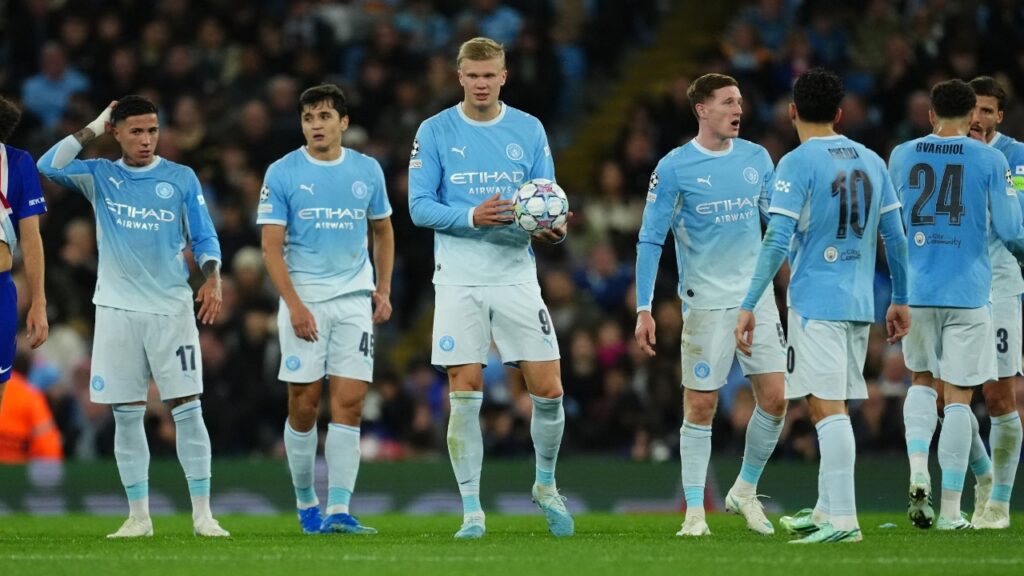
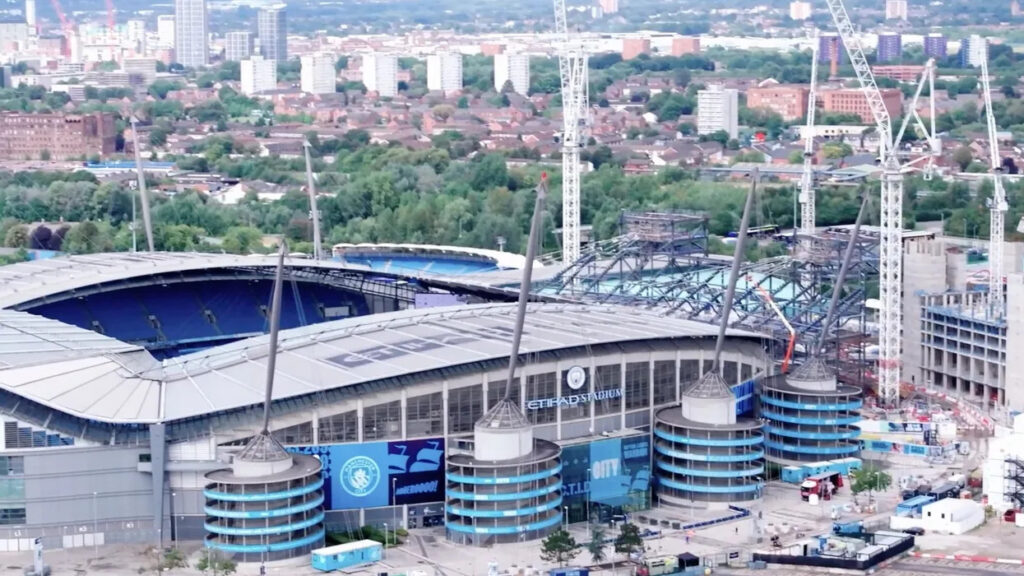
The Premier League has become one of the world’s most valuable sports competitions, with clubs competing not only on the pitch but also in the global business marketplace. Commercial success now plays a vital role in determining how clubs invest in players, facilities, academies, technology, and worldwide expansion.
Few clubs illustrate this transformation better than Manchester City. Over the past fifteen years, the club has evolved from a respected English team into one of football’s strongest commercial brands. Strategic ownership, worldwide partnerships, modern marketing, and consistent sporting achievements have dramatically increased the club’s commercial revenues.
But how does Manchester City’s commercial growth compare with other Premier League giants such as Manchester United, Liverpool, Arsenal, Chelsea, and Tottenham Hotspur?
This comprehensive analysis explores the numbers, business strategies, sponsorship deals, global fan engagement, and future outlook behind Manchester City’s commercial rise.
Understanding Commercial Growth in Modern Football
Commercial growth refers to the income generated outside traditional football activities. Rather than relying solely on ticket sales, elite clubs increasingly earn revenue through global partnerships and branding opportunities.
Major commercial revenue sources include:
-
Shirt sponsorships
-
Kit manufacturing agreements
-
Stadium naming rights
-
Digital advertising
-
Global licensing
-
Merchandise sales
-
International tours
-
Streaming partnerships
-
Hospitality packages
-
Corporate partnerships
For Europe’s biggest clubs, commercial income often represents between one-third and one-half of total annual revenue.
Manchester City’s Commercial Transformation
Before the late 2000s, Manchester City generated relatively modest commercial revenues compared to England’s biggest clubs.
The acquisition by Abu Dhabi investors fundamentally changed the club’s long-term strategy.
Instead of focusing only on player transfers, Manchester City invested heavily in:
-
Global branding
-
Infrastructure
-
Youth development
-
Digital media
-
International partnerships
-
Community projects
-
Stadium expansion
-
Women’s football
These investments created sustainable commercial opportunities that continue to grow.
Comparing Manchester City with Other Premier League Clubs
| Club | Global Brand Strength | Commercial Revenue Growth | International Fanbase | Sponsorship Portfolio |
|---|---|---|---|---|
| Manchester City | Excellent | Very High | Rapidly Growing | Extensive |
| Manchester United | Elite | Stable | Massive | Exceptional |
| Liverpool | Elite | High | Massive | Strong |
| Arsenal | Very Strong | High | Large | Strong |
| Chelsea | Very Strong | Moderate | Large | Growing |
| Tottenham | Strong | High | Growing | Modern |
Manchester City has experienced one of the fastest commercial growth rates among Premier League clubs.
Revenue Growth Over the Past Decade
One of City’s greatest achievements has been converting sporting success into financial growth.
Key drivers include:
1. Consistent Champions League Participation
Regular qualification increases:
-
Broadcasting income
-
Sponsor exposure
-
Merchandise sales
-
International visibility
Sponsors naturally prefer clubs competing on football’s biggest stages.
2. Winning Major Trophies
Every trophy strengthens a club’s commercial appeal.
Manchester City’s success in:
-
Premier League
-
FA Cup
-
UEFA Champions League
-
Club competitions
has dramatically increased worldwide recognition.
Winning creates stronger emotional connections with fans and attracts premium sponsors.
3. Multi-Club Ownership Strategy
Unlike many Premier League rivals, City Football Group operates clubs across several continents.
Benefits include:
-
Shared scouting
-
Global sponsorship opportunities
-
Brand consistency
-
Youth development
-
Market expansion
This creates commercial opportunities beyond Manchester itself.
Manchester United vs Manchester City
Manchester United remains one of football’s biggest commercial brands despite varying performances on the pitch.
Manchester United Strengths
-
Historic global fanbase
-
Legacy sponsorships
-
Massive merchandise sales
-
Long-standing international recognition
Manchester City Strengths
-
Faster recent commercial growth
-
Modern digital strategy
-
Strong corporate partnerships
-
Recent sporting dominance
| Category | Manchester United | Manchester City |
|---|---|---|
| Historic Brand | Higher | Lower |
| Recent Commercial Growth | Moderate | Excellent |
| Recent Sporting Success | Moderate | Outstanding |
| Modern Sponsorship Model | Strong | Excellent |
| Global Expansion | Excellent | Excellent |
City has narrowed the commercial gap significantly during the past decade.
Liverpool vs Manchester City
Liverpool possesses one of football’s most passionate worldwide fanbases.
Its commercial success benefits from:
-
Historic European success
-
Global supporter culture
-
Strong merchandising
-
Iconic football identity
Manchester City, meanwhile, has focused on innovation.
Its commercial model emphasizes:
-
Data-driven marketing
-
International partnerships
-
Premium sponsorships
-
Smart brand positioning
Both clubs now compete closely for elite sponsorship opportunities.
Arsenal vs Manchester City
Arsenal’s commercial strategy centers around:
-
London location
-
Historic prestige
-
Global academy reputation
-
Strong digital engagement
Manchester City has expanded more aggressively through global investment.
The result is faster commercial acceleration despite Arsenal’s longer history.
Chelsea vs Manchester City
Chelsea experienced significant commercial expansion during the Roman Abramovich era.
However, ownership changes have altered aspects of the club’s commercial strategy.
Manchester City has maintained:
-
Long-term stability
-
Consistent sponsorship planning
-
Continued investment
-
Worldwide expansion
Consistency has become one of City’s greatest commercial advantages.
Tottenham Hotspur vs Manchester City
Tottenham has built an impressive commercial platform through:
-
Modern stadium
-
NFL partnerships
-
Concert events
-
Hospitality experiences
Manchester City competes through:
-
Global football network
-
Worldwide sponsorships
-
Sporting success
-
International branding
Both clubs represent modern football business models but follow different strategies.
Sponsorship Deals Drive Commercial Success
Commercial sponsorships remain one of football’s largest revenue sources.
Manchester City’s sponsorship portfolio spans industries including:
-
Airlines
-
Financial services
-
Technology
-
Automotive
-
Telecommunications
-
Consumer electronics
-
Healthcare
-
Gaming
Diversification reduces financial dependence on any single partner.
Digital Marketing Has Changed Everything
Today’s football clubs are media companies.
Manchester City invests heavily in:
-
YouTube content
-
Short-form videos
-
Social media campaigns
-
Mobile applications
-
Behind-the-scenes documentaries
-
Fan personalization
Digital engagement increases sponsor value while strengthening fan loyalty.
The Importance of Global Fan Engagement
Football has become increasingly international.
Manchester City’s marketing focuses heavily on fans in:
-
Asia
-
North America
-
Africa
-
Middle East
-
Australia
International fan engagement includes:
-
Summer tours
-
Regional sponsorships
-
Local-language content
-
Digital memberships
-
Fan festivals
These initiatives generate new commercial opportunities every year.
Stadium Development Supports Commercial Growth
Modern stadiums generate revenue far beyond matchdays.
Commercial opportunities include:
-
Premium hospitality
-
Conferences
-
Corporate events
-
Concerts
-
Stadium tours
-
Museums
-
Retail outlets
Manchester City continues investing in stadium expansion and surrounding infrastructure to maximize long-term earnings.
Merchandise Sales Continue Growing
Winning football matches directly influences merchandise demand.
Popular products include:
-
Home shirts
-
Away kits
-
Training wear
-
Lifestyle clothing
-
Collectibles
-
Accessories
International online stores have made Manchester City merchandise accessible to supporters worldwide.
Women’s Football Creates New Commercial Opportunities
Manchester City’s investment in women’s football strengthens its overall brand.
Benefits include:
-
New sponsorship categories
-
Expanded audiences
-
Increased media exposure
-
Community engagement
-
Inclusive marketing campaigns
Women’s football is becoming an increasingly valuable commercial asset across the Premier League.
Youth Development Enhances Brand Value
Successful academies generate commercial benefits beyond player sales.
They demonstrate:
-
Long-term planning
-
Community investment
-
Player development
-
Club identity
Manchester City’s academy consistently produces talented footballers while enhancing the club’s global reputation.
Challenges Facing Manchester City’s Commercial Growth
Despite impressive progress, challenges remain.
These include:
Financial Regulation
Football authorities continue strengthening financial regulations.
Commercial agreements receive greater scrutiny than ever before.
Growing Competition
Every major Premier League club is expanding internationally.
Competition for sponsors continues increasing.
Economic Uncertainty
Global economic conditions can influence:
-
Corporate sponsorship budgets
-
Consumer spending
-
Merchandise purchases
-
Hospitality demand
Diversification helps reduce these risks.
Future Commercial Trends
Manchester City’s commercial strategy will likely focus on:
-
Artificial intelligence marketing
-
Personalized fan experiences
-
Digital memberships
-
Virtual reality engagement
-
Smart stadium technology
-
International academies
-
Sustainability initiatives
-
Direct-to-consumer media
Innovation will remain essential as football becomes increasingly competitive off the field.
Why Commercial Growth Matters
Commercial revenue provides clubs with financial flexibility.
Greater commercial success allows investment in:
-
Elite players
-
Academy facilities
-
Stadium improvements
-
Sports science
-
Women’s football
-
Community projects
-
Global expansion
While sporting success drives commercial opportunities, strong commercial performance also supports long-term competitiveness.
Conclusion
Manchester City’s commercial growth represents one of the most remarkable business transformations in modern football. Through strategic investment, consistent sporting success, innovative marketing, and a global expansion strategy, the club has become one of the Premier League’s strongest commercial forces.
Although Manchester United continues to benefit from unmatched historical brand recognition, Liverpool maintains exceptional worldwide loyalty, Arsenal enjoys enduring global appeal, Chelsea remains commercially influential, and Tottenham has developed an innovative business model, Manchester City’s rapid commercial rise has fundamentally changed the Premier League landscape.
Looking ahead, digital innovation, international fan engagement, diversified sponsorships, and infrastructure investment will continue shaping commercial success across English football. Manchester City appears well-positioned to remain among the world’s leading football businesses for years to come.
Frequently Asked Questions (FAQs)
How has Manchester City’s commercial growth changed over the past decade?
Manchester City’s commercial growth has accelerated significantly due to sustained sporting success, expanded global sponsorships, increased international fan engagement, digital marketing innovation, and investment in world-class infrastructure.
Why is Manchester City’s commercial growth so strong?
The club combines consistent trophy success, strategic ownership, global partnerships, advanced marketing, academy development, and worldwide brand expansion to generate strong commercial revenues.
Which Premier League club has the biggest commercial revenue?
Historically, Manchester United has generated some of the highest commercial revenues because of its enormous global fanbase and long-established brand. However, Manchester City, Liverpool, Arsenal, Chelsea, and Tottenham continue to close the gap through rapid commercial growth.
How important are sponsorship deals for Manchester City?
Sponsorship agreements are among Manchester City’s largest income sources. They support player recruitment, infrastructure projects, youth development, and long-term business growth while increasing the club’s global visibility.
Does winning trophies increase commercial growth?
Yes. Success on the pitch typically leads to greater media exposure, increased merchandise sales, stronger sponsor interest, higher ticket demand, and expanded international fan engagement.
How does Manchester City’s commercial strategy differ from other Premier League clubs?
Manchester City emphasizes long-term investment, global football networks, digital innovation, diversified sponsorships, and international market expansion. Other clubs often rely more heavily on historical prestige or stadium-driven revenues.
What role does digital marketing play in Manchester City’s commercial success?
Digital marketing enables Manchester City to reach millions of supporters worldwide through social media, video content, mobile apps, streaming platforms, and personalized fan experiences, making the club more attractive to commercial partners.
Can Manchester City continue growing commercially?
Yes. Continued investment in technology, global partnerships, women’s football, stadium development, sustainability, and international fan engagement positions Manchester City for further commercial expansion, although increased competition and financial regulations will remain important factors.
Recommended Resources
-
Deloitte Football Money League – https://www.deloitte.com
-
UEFA Club Licensing & Financial Sustainability Regulations – https://www.uefa.com
-
Premier League Official Website – https://www.premierleague.com
-
FIFA Official Website – https://www.fifa.com
-
Statista (Football Industry Statistics) – https://www.statista.com
-
Football Benchmark – https://footballbenchmark.com
-
KPMG Football Benchmark – https://kpmg.com
-
Forbes Sports Business – https://www.forbes.com/sportsmone
- “Glad you’re aware” – Man City Fans Furious as Antoine Semenyo Admits PSG Misses
- ‘He Saw the Quality’: Luis Enrique’s Man City Verdict Sparks Debate Among City Supporters
- “One Hell of a Super Sub!” – Man City Fans Demand Ndiaye Starts After Stunning PSG Cameo
- “Special Talent!” – Man City Fans Go Wild Over Bouaddi After “Ridiculous” PSG Display
- Manchester City Fans React to PSG Defeat as Maresca Faces Criticism
- “Winners Recognise Winners” – Man City Fans Praise Luis Enrique for Backing Club Amid Controversy
- “They Don’t Know What to Ask” – Man City Fans Back Enzo Maresca After Defiant Liverpool Comments