Manchester City’s Rise to Global Powerhouse Football Club: From Local Roots to World Champions
The transformation of Manchester City into a global football powerhouse is one of the most compelling success stories in modern sport. From its humble beginnings in 1880 to becoming European and world champions, City’s journey reflects strategic investment, visionary leadership, tactical innovation, and relentless ambition.
This comprehensive guide explores how Manchester City evolved from a community-based club in East Manchester into a dominant force in the Premier League and a global football brand.
For foundational context, see the club’s profile on:
https://www.mancity.com
https://en.wikipedia.org/wiki/Manchester_City_F.C.
1. Early Foundations: Building Identity (1880–2008)
Manchester City was founded in 1880 as St. Mark’s (West Gorton). Over decades, the club experienced:
-
FA Cup success (1904)
-
League triumph (1937)
-
European Cup Winners’ Cup victory (1970)
-
Relegations and financial struggles
Learn more about English football history at:
https://www.efl.com
https://www.bbc.com/sport/football
Despite periods of instability, City maintained a loyal supporter base and strong local identity.
2. The 2008 Takeover: Financial and Strategic Revolution
The defining turning point came in 2008 when Abu Dhabi United Group acquired Manchester City.
Financial growth analysis can be explored at:
https://www.forbes.com/soccer-valuations/
https://www2.deloitte.com/uk/en/pages/sports-business-group/articles/deloitte-football-money-league.html
This investment allowed:
-
Elite player recruitment
-
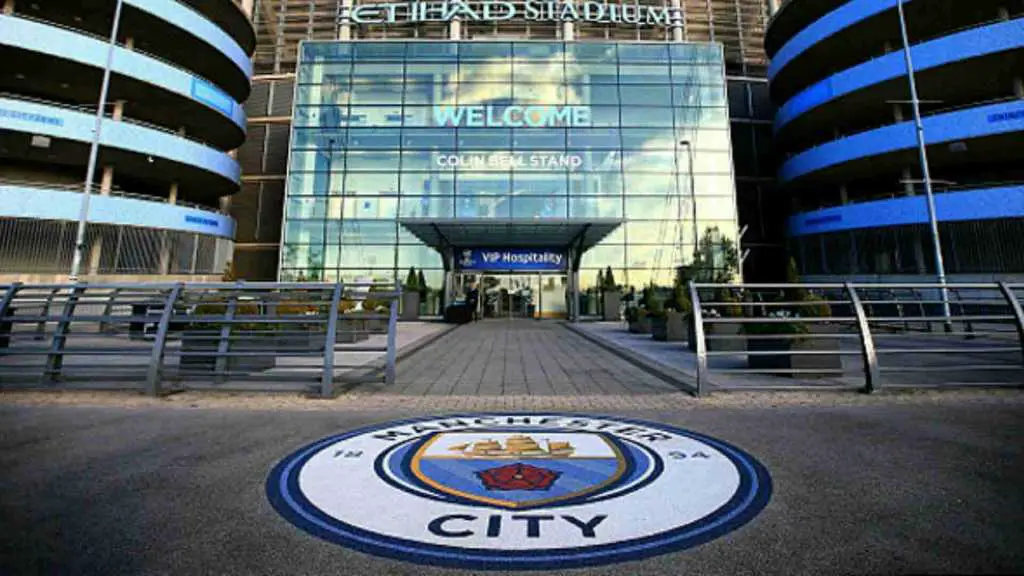
Infrastructure development
-
Global commercial expansion
Comparison: Before vs After 2008
| Category | Pre-2008 | Post-2008 |
|---|---|---|
| League Titles | 2 | Multiple |
| Global Revenue Ranking | Outside Top 10 | Top 5 globally |
| Training Facilities | Standard | City Football Academy |
| International Brand Reach | Limited | Worldwide |
The takeover marked the start of City’s transformation into a global enterprise.
3. The 2011–12 Title: Psychological Breakthrough
The dramatic Premier League win in 2012 changed everything.
Sergio Agüero scored the iconic last-minute goal against QPR.
Match recap:
https://www.bbc.com/sport/football/18044378
This moment ended a 44-year title drought and redefined the club’s identity.
4. The Guardiola Era: Tactical Mastery
The appointment of Pep Guardiola in 2016 elevated Manchester City from contenders to innovators.
Tactical analysis resources:
https://www.coachesvoice.com
https://theathletic.com/football
Guardiola introduced:
-
Positional play
-
High pressing
-
Inverted full-backs
-
Possession dominance
City’s football became globally admired for its sophistication.
5. Record-Breaking Dominance (2017–18)
Manchester City’s 2017–18 campaign is widely considered one of the greatest seasons in English football history.
Reference stats:
https://www.premierleague.com/stats
2017–18 Season Comparison
| Metric | Manchester City | League Average |
|---|---|---|
| Points | 100 | ~50 |
| Goals | 106 | ~55 |
| Wins | 32 | ~15 |
| Goal Difference | +79 | ~0 |
This season redefined domestic dominance.
6. The Treble Season (2022–23)
The pinnacle of City’s rise came when they won:
-
Premier League
-
FA Cup
-
UEFA Champions League
Only Manchester United had achieved this before in England.
Champions League coverage:
https://www.uefa.com
The treble cemented City’s place among Europe’s elite.
7. Becoming World Champions
After winning the Champions League, Manchester City lifted the FIFA Club World Cup.
More information:
https://www.fifa.com
This global title officially crowned City as the best club side in the world.
8. Global Commercial Expansion
Manchester City’s rise is not just sporting — it’s commercial.
Key factors:
-
Global sponsorships
-
Strategic partnerships
-
Multi-club ownership model (City Football Group)
Learn about sports business growth at:
https://www.sportspromedia.com
https://www.statista.com/topics/
The club now ranks among the most valuable in world football.
9. Youth Development and Infrastructure
The City Football Academy became one of the world’s most advanced training facilities.
Academy development reference:
https://www.theguardian.com/football
Homegrown stars like Phil Foden highlight the club’s balanced strategy between spending and development.
10. Global Fanbase and Digital Growth
Manchester City has built one of the fastest-growing global fanbases.
Digital growth resources:
https://www.socialmediatoday.com
https://www.digitalmarketinginstitute.com
The club leverages:
-
Social media
-
Streaming platforms
-
International tours
This modern engagement strategy fuels brand expansion worldwide.
Structured FAQ (SEO Optimized)
When did Manchester City become a global powerhouse?
Manchester City became a global powerhouse after the 2008 takeover, with major success accelerating under Pep Guardiola from 2016 onward.
What was the most important moment in Manchester City’s rise?
The 2008 takeover and the 2011–12 Premier League title are considered the two most significant turning points.
How did Pep Guardiola influence Manchester City’s success?
Guardiola introduced tactical innovations and elevated performance standards, leading to record-breaking seasons and European triumph.
Has Manchester City won the Champions League?
Yes, Manchester City won the UEFA Champions League in 2023, completing a historic treble.
Why is Manchester City considered one of the richest clubs?
Due to strong commercial growth, global sponsorship deals, and strategic ownership, Manchester City ranks among the highest revenue-generating clubs worldwide.
Conclusion
Manchester City’s rise to a global powerhouse is a case study in modern football evolution.
From community roots in 1880 to European and world champions, the club has undergone a strategic transformation powered by investment, innovation, and ambition.
Today, Manchester City stands as one of the most dominant and influential football clubs in the world — and its story is still unfolding.