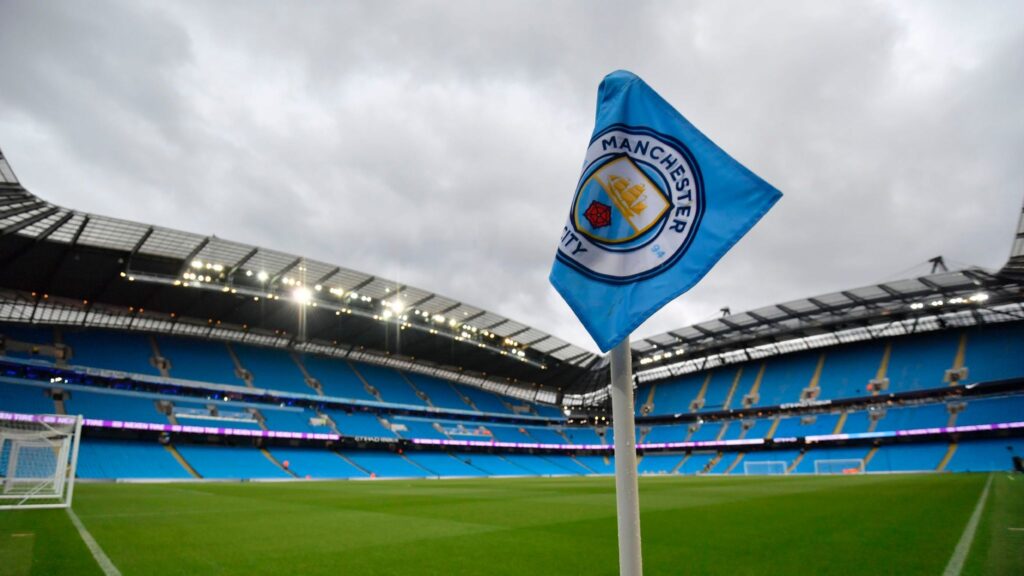
Manchester City Marketing Strategy & Global Branding Success
Manchester City has undergone one of the most remarkable business transformations in modern football. Once viewed primarily as a competitive English club with a loyal local following, Manchester City is now recognized as one of the world’s most valuable football brands. While success on the pitch has certainly played a role, the club’s rise has been equally driven by a carefully planned marketing strategy and an ambitious global branding vision.
Today’s football clubs are no longer simply sports organizations. They operate as global entertainment brands, media companies, digital content creators, and international businesses. Manchester City has embraced this evolution by investing in technology, strategic partnerships, fan engagement, infrastructure, and worldwide expansion.
This article explores the key components of the Manchester City marketing strategy, compares City with other leading Premier League clubs, and explains how the club has built a powerful global brand that continues to attract millions of supporters and commercial partners around the world.
Why Marketing Matters in Modern Football
Football has evolved into one of the largest entertainment industries globally. Clubs compete not only for trophies but also for sponsorships, broadcasting audiences, merchandise sales, and digital engagement.
An effective marketing strategy enables clubs to:
-
Increase commercial revenue
-
Attract international supporters
-
Build long-term sponsor relationships
-
Improve merchandise sales
-
Strengthen brand loyalty
-
Expand into new markets
-
Enhance digital engagement
For elite clubs like Manchester City, marketing is no longer a supporting function—it is central to long-term success.
The Evolution of Manchester City’s Brand
Before 2008, Manchester City was a respected English club with a passionate fanbase but limited international recognition compared to rivals like Manchester United or Liverpool.
The club’s transformation accelerated following new ownership and a long-term vision focused on sustainable growth.
Rather than relying solely on expensive player transfers, Manchester City invested in:
-
Modern facilities
-
Youth development
-
Community initiatives
-
Digital innovation
-
International partnerships
-
Brand positioning
-
Fan experience
-
Global expansion
This holistic approach helped reshape public perception and establish Manchester City as a global football brand.
Core Pillars of Manchester City’s Marketing Strategy
Manchester City’s marketing success is built on several interconnected pillars that reinforce one another.
1. Winning Builds the Brand
Sporting success remains one of the strongest marketing tools in football.
Manchester City’s achievements in domestic and European competitions have significantly increased global awareness.
Winning trophies creates:
-
International media coverage
-
Greater fan engagement
-
Higher merchandise demand
-
Stronger sponsor interest
-
Increased broadcast exposure
Every successful season reinforces the club’s commercial appeal.
2. Strong Brand Identity
Manchester City’s visual identity is instantly recognizable.
Key branding elements include:
-
The iconic sky-blue colors
-
Modern club crest
-
Consistent visual design
-
Premium presentation
-
High-quality digital content
Consistency across all communication channels strengthens brand recognition worldwide.
3. Storytelling Instead of Traditional Advertising
Modern football marketing is increasingly based on storytelling.
Manchester City produces content that gives supporters access beyond matchday.
Examples include:
-
Behind-the-scenes documentaries
-
Training footage
-
Player interviews
-
Academy stories
-
Community projects
-
Matchday experiences
This emotional connection helps build long-term loyalty rather than simply promoting products.
Digital Marketing: A Key Driver of Growth
One of Manchester City’s greatest strengths is its digital marketing strategy.
The club reaches supporters across multiple platforms through engaging, localized, and shareable content.
Social Media Presence
Manchester City actively engages fans on platforms such as:
-
Facebook
-
Instagram
-
X (formerly Twitter)
-
TikTok
-
YouTube
-
LinkedIn
Each platform serves a different audience while maintaining a consistent brand identity.
For example:
-
TikTok focuses on younger audiences with entertaining short videos.
-
Instagram highlights premium visuals and player lifestyle content.
-
YouTube features documentaries, interviews, and exclusive matchday content.
-
LinkedIn showcases the club’s business achievements and corporate partnerships.
Personalized Fan Experiences
Rather than broadcasting identical content to every supporter, Manchester City increasingly uses personalization.
This includes:
-
Local-language content
-
Regional campaigns
-
Personalized emails
-
Mobile app experiences
-
Membership benefits
-
Customized digital offers
Personalization improves engagement and strengthens supporter loyalty.
Manchester City and City Football Group
One of Manchester City’s greatest competitive advantages is its connection to City Football Group (CFG).
CFG owns or has interests in football clubs across multiple continents, creating opportunities for:
-
Shared expertise
-
Talent development
-
Global scouting
-
Cross-market sponsorships
-
International branding
-
Local fan engagement
This network allows Manchester City’s brand to reach markets that many traditional clubs find difficult to access.
Sponsorship Strategy
Commercial partnerships are among Manchester City’s largest revenue sources.
Rather than relying on a small number of sponsors, the club has developed a diversified sponsorship portfolio.
Major partnership categories include:
-
Airlines
-
Financial services
-
Technology
-
Automotive
-
Consumer electronics
-
Telecommunications
-
Healthcare
-
Gaming
-
Retail
This diversification reduces financial risk while expanding global exposure.
The Importance of Global Branding
Manchester City’s marketing strategy extends far beyond England.
The club actively targets emerging football markets through localized campaigns and strategic partnerships.
Key regions include:
-
Asia
-
North America
-
South America
-
Africa
-
Middle East
-
Australia
These markets represent millions of current and future football supporters.
International Preseason Tours
International tours have become valuable marketing opportunities.
Benefits include:
-
Meeting supporters
-
Selling merchandise
-
Expanding media coverage
-
Hosting sponsor events
-
Strengthening regional partnerships
Tours also generate significant social media engagement worldwide.
Community Marketing Builds Trust
Manchester City’s brand extends beyond football through community engagement.
The club invests in:
-
Education initiatives
-
Youth football programs
-
Environmental sustainability
-
Health campaigns
-
Local charities
-
Social inclusion projects
Corporate social responsibility strengthens the club’s reputation while creating meaningful connections with communities.
Content Marketing Excellence
Manchester City produces a wide variety of digital content designed to engage supporters year-round.
Popular formats include:
-
Match previews
-
Tactical analysis
-
Podcasts
-
Player features
-
Mini-documentaries
-
Short-form videos
-
Interactive quizzes
-
Live interviews
Consistent, high-quality content keeps fans connected even during the off-season.
Merchandise and Lifestyle Branding
Football shirts remain the most recognizable merchandise, but Manchester City has expanded far beyond matchday apparel.
Its product range includes:
-
Training wear
-
Casual clothing
-
Fashion collaborations
-
Accessories
-
Children’s products
-
Homeware
-
Collectibles
Positioning merchandise as lifestyle products increases sales among both supporters and casual consumers.
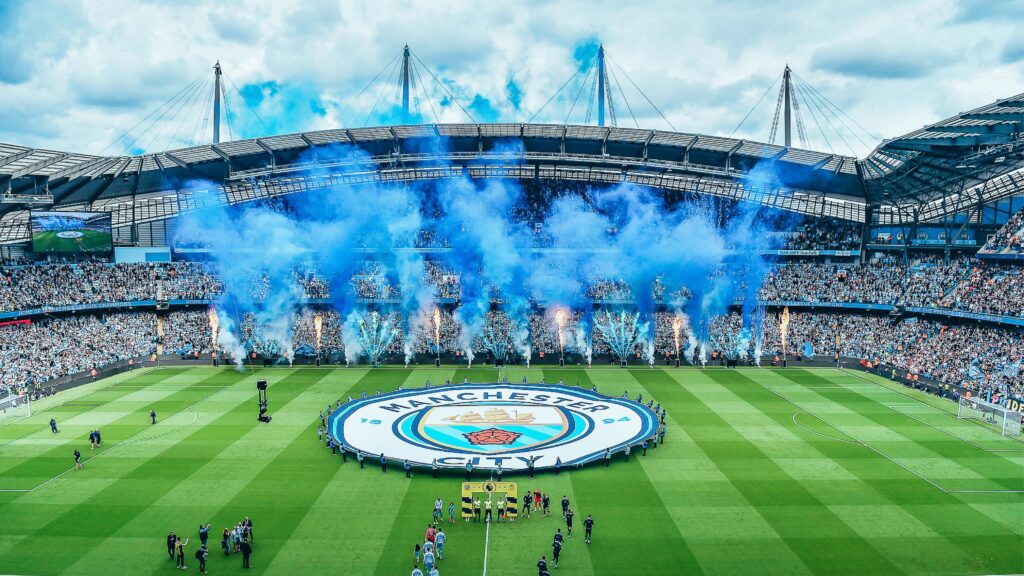
Stadium Experience as a Marketing Tool
Modern football stadiums are powerful branding assets.
Manchester City’s stadium offers:
-
Premium hospitality
-
Interactive fan experiences
-
Stadium tours
-
Retail outlets
-
Museums
-
Family-friendly entertainment
A positive matchday experience encourages repeat visits and strengthens emotional connections with the club.
Comparing Manchester City’s Marketing Strategy with Other Premier League Clubs
| Club | Global Brand | Digital Marketing | Commercial Partnerships | International Expansion |
|---|---|---|---|---|
| Manchester City | Excellent | Excellent | Extensive | Very Strong |
| Manchester United | Elite | Very Strong | Extensive | Elite |
| Liverpool | Elite | Excellent | Strong | Very Strong |
| Arsenal | Very Strong | Strong | Strong | Strong |
| Chelsea | Very Strong | Strong | Strong | Strong |
| Tottenham Hotspur | Strong | Strong | Growing | Growing |
Manchester City distinguishes itself through its integration of digital innovation, global ownership, and long-term commercial planning.
The Role of Data and Technology
Technology has become central to Manchester City’s marketing operations.
The club leverages data to:
-
Understand fan behavior
-
Improve ticket sales
-
Optimize digital campaigns
-
Personalize communications
-
Measure sponsor performance
-
Enhance customer experiences
Data-driven decision-making allows Manchester City to adapt quickly to changing market trends.
Women’s Football and Brand Expansion
Manchester City has invested significantly in women’s football, recognizing its growing commercial potential.
Benefits include:
-
New sponsorship opportunities
-
Expanded audiences
-
Increased media attention
-
Greater community engagement
-
Enhanced brand inclusivity
Supporting women’s football aligns with broader global trends and strengthens the club’s overall image.
Challenges Facing Manchester City’s Global Brand
Despite its success, Manchester City faces several ongoing challenges.
Financial Regulations
Football authorities continue to strengthen financial oversight, making transparency and compliance increasingly important.
Intense Competition
Leading European clubs are investing heavily in marketing, digital platforms, and international expansion.
Maintaining Authenticity
As the club grows globally, balancing worldwide appeal with its local identity remains essential.
Changing Consumer Behavior
Younger audiences consume football differently, requiring continuous innovation in content formats and fan engagement.
Future Trends in Manchester City’s Marketing Strategy
The next decade is likely to bring new opportunities for growth.
Areas of future focus may include:
-
Artificial intelligence for personalized fan experiences
-
Virtual and augmented reality content
-
Enhanced mobile applications
-
Smart stadium technology
-
Sustainable marketing initiatives
-
Direct-to-consumer media platforms
-
Blockchain-based fan engagement
-
Interactive digital memberships
Clubs that embrace innovation while maintaining authentic connections with supporters are likely to remain commercially successful.
Key Lessons from Manchester City’s Marketing Success
Manchester City’s rise demonstrates that successful football marketing depends on more than winning matches.
Key lessons include:
-
Build a consistent brand identity.
-
Invest in digital transformation.
-
Prioritize fan engagement.
-
Diversify commercial partnerships.
-
Expand into international markets.
-
Produce high-quality content consistently.
-
Support community initiatives.
-
Use data to improve decision-making.
-
Innovate while respecting club traditions.
These principles have enabled Manchester City to compete with some of the world’s most established football brands.
Conclusion
Manchester City’s marketing strategy is a prime example of how modern football clubs can combine sporting excellence with innovative business practices. Through strategic sponsorships, digital engagement, global expansion, compelling storytelling, and investment in infrastructure, the club has evolved into one of the most influential sports brands in the world.
While clubs such as Manchester United, Liverpool, Arsenal, Chelsea, and Tottenham Hotspur each possess unique strengths, Manchester City has distinguished itself through a forward-thinking approach that integrates technology, personalized fan experiences, and a truly international vision.
As football continues to evolve into a global entertainment industry, Manchester City’s commitment to innovation and long-term planning positions the club to remain at the forefront of sports marketing for years to come.
External Resources
Frequently Asked Questions (FAQs)
What is Manchester City’s marketing strategy?
Manchester City’s marketing strategy focuses on combining sporting success with digital innovation, global branding, strategic sponsorships, fan engagement, and international expansion. The club invests heavily in content creation, technology, and personalized experiences to strengthen its global presence.
How has Manchester City built a global brand?
Manchester City has built its global brand through consistent on-field success, worldwide sponsorship agreements, international preseason tours, localized digital content, community initiatives, and the global network of City Football Group.
Why is Manchester City’s digital marketing considered successful?
Manchester City’s digital marketing strategy emphasizes engaging content, platform-specific campaigns, personalized communication, and multilingual outreach. This approach helps the club connect with millions of supporters across different regions and age groups.
What role do sponsorships play in Manchester City’s success?
Sponsorships are a major source of commercial revenue. Partnerships with companies across industries such as technology, aviation, finance, and consumer goods provide financial stability while increasing global brand visibility.
How does Manchester City’s marketing strategy compare with Manchester United?
Manchester United benefits from a larger historical global fanbase and decades of brand recognition. Manchester City, however, has experienced faster recent growth through digital innovation, strategic partnerships, and a modern global expansion strategy.
Why is fan engagement important to Manchester City’s branding?
Strong fan engagement increases loyalty, merchandise sales, ticket demand, sponsor value, and long-term commercial growth. Manchester City achieves this through social media, exclusive content, community initiatives, and personalized digital experiences.
How does City Football Group support Manchester City’s marketing strategy?
City Football Group extends Manchester City’s reach by creating a global football network. This structure enables shared branding opportunities, international partnerships, talent development, and stronger market penetration across multiple continents.
What does the future hold for Manchester City’s global branding?
Future growth is expected to focus on artificial intelligence, immersive digital experiences, sustainability, smart stadium technologies, and enhanced direct-to-consumer engagement, ensuring Manchester City remains one of football’s leading global brands.