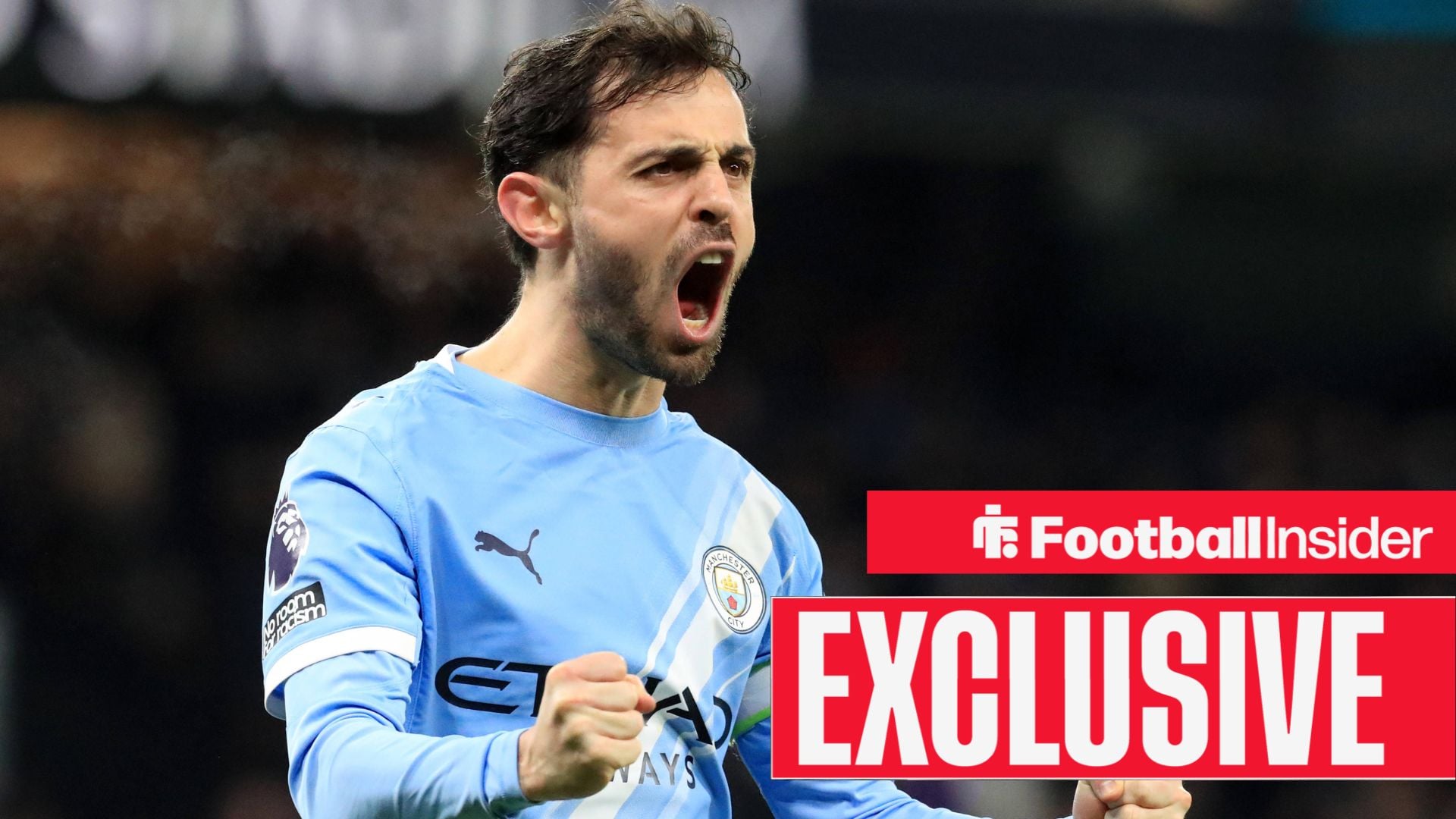

How Manchester City Changed English Football Forever
Few clubs have reshaped a domestic league the way Manchester City has transformed English football over the past 15 years. What began as an ambitious rebuild following the 2008 takeover evolved into a tactical, financial, and structural revolution that permanently altered the competitive landscape of the Premier League.
Today, Manchester City is not just a dominant team — it is a blueprint for modern football excellence.
Official club website:
https://www.mancity.com
Premier League official stats:
https://www.premierleague.com
1. The 2008 Takeover: The Financial Earthquake
When Abu Dhabi United Group acquired Manchester City in 2008, English football entered a new era.
The deal injected significant capital into:
-
Player recruitment
-
Infrastructure development
-
Sports science innovation
-
Global commercial expansion
Financial industry analysis:
https://www2.deloitte.com/uk/en/pages/sports-business-group/articles/deloitte-football-money-league.html
https://www.forbes.com/soccer-valuations/
Before vs After the Takeover
| Category | Pre-2008 City | Post-2008 City |
|---|---|---|
| League Titles | 2 | Multiple |
| Champions League Titles | 0 | 1 |
| Global Revenue Rank | Outside Top 10 | Top 5 globally |
| Training Facilities | Basic | City Football Academy |
The takeover didn’t just elevate City — it forced rival clubs to rethink their financial strategies.
2. Tactical Revolution Under Pep Guardiola
The appointment of Pep Guardiola in 2016 marked the beginning of a tactical revolution in England.
Guardiola introduced:
-
Positional play (Juego de Posición)
-
Inverted full-backs
-
Extreme possession control
-
Structured pressing systems
Tactical breakdowns:
https://www.coachesvoice.com
https://theathletic.com/football
English football, historically known for direct play and physical intensity, began adopting more technical, possession-based systems.
Tactical Comparison
| Style Element | Traditional English Style | Guardiola’s City Model |
|---|---|---|
| Possession | Moderate | High (65%+) |
| Build-up | Direct | Structured |
| Full-backs | Wide | Inverted |
| Pressing | Situational | Coordinated High Press |
This shift influenced not only rivals but also youth academies across the country.
3. Raising the Points Standard
Manchester City’s 2017–18 season changed the benchmark for excellence.
Record statistics available at:
https://www.premierleague.com/stats
City achieved:
-
100 points
-
106 goals
-
32 wins
The so-called “Centurions” season forced competitors to adapt. Clubs now need 90+ points to win the title — a dramatic inflation of standards.
4. The Treble That Rewrote History
In 2022–23, Manchester City won:
-
Premier League
-
FA Cup
-
UEFA Champions League
Previously, only Manchester United had completed the English treble (1999).
UEFA coverage:
https://www.uefa.com
This achievement rebalanced Manchester’s football identity and solidified City’s European legitimacy.
5. Influence on Transfer Market Inflation
City’s aggressive recruitment strategy accelerated transfer fee growth.
Market analysis:
https://www.transfermarkt.com
https://www.skysports.com/football
High-profile signings reshaped the market and normalized:
-
£50m+ defenders
-
Squad depth spending
-
Long-term contract planning
Other Premier League clubs were compelled to increase financial competitiveness.
6. Infrastructure and Sports Science Innovation
Manchester City invested heavily in the City Football Academy.
Facilities overview:
https://www.theguardian.com/football
The campus includes:
-
Multiple training pitches
-
Sports science labs
-
Data analytics centers
-
Youth development programs
This holistic model inspired infrastructure upgrades across England.
7. Youth Development and English Talent
Despite heavy spending, City developed elite domestic players like Phil Foden.
Academy model analysis:
https://www.bbc.com/sport/football
City demonstrated that financial power and youth development can coexist.
8. Data Analytics and Recruitment Efficiency
Manchester City integrates advanced analytics into recruitment and performance management.
Sports analytics insights:
https://www.statsperform.com
https://www.sportspromedia.com
The club’s data-driven approach:
-
Identifies undervalued players
-
Optimizes fitness
-
Reduces injury risks
This modern methodology is now standard across elite English clubs.
9. Global Brand Expansion
Manchester City became part of the City Football Group network, creating a multi-club global structure.
Business model overview:
https://www.statista.com/topics/
https://www.bloomberg.com
This globalized approach expanded:
-
International fanbase
-
Commercial partnerships
-
Talent pipelines
English football’s commercial model evolved toward international scalability.
10. Psychological Dominance and Winning Culture
Winning four Premier League titles in five seasons created a psychological shift.
City redefined:
-
Consistency
-
Squad rotation depth
-
Tactical adaptability
Rival teams now plan entire seasons around competing with Manchester City’s standards.
Comparison: Manchester City’s Impact on English Football
| Area | Before City’s Rise | After City’s Dominance |
|---|---|---|
| Points to Win Title | 80–85 | 90–100 |
| Tactical Style | Direct | Technical/Positional |
| Financial Benchmark | Big Four | Big Six + City Model |
| Infrastructure | Standard | Elite Campus Model |
| European Ambition | Occasional | Mandatory |
Structured Frequently Searched FAQs
When did Manchester City change English football?
The transformation began after the 2008 takeover and accelerated under Pep Guardiola from 2016 onward.
How did Pep Guardiola influence the Premier League?
Guardiola introduced structured positional football, which influenced tactical evolution across English clubs.
What records did Manchester City break?
Manchester City set the Premier League record for most points in a season (100) and most goals (106) during the 2017–18 campaign.
Did Manchester City’s spending change the transfer market?
Yes. City’s recruitment strategy contributed to transfer inflation and normalized higher investment levels across the league.
Why is Manchester City considered a modern football blueprint?
Because the club combines financial power, youth development, data analytics, tactical innovation, and global commercial strategy.
The Lasting Legacy
Manchester City’s transformation is more than a trophy story. It represents:
-
Tactical modernization
-
Financial escalation
-
Global branding
-
Infrastructure evolution
-
Competitive standard inflation
English football today is faster, more technical, and more financially intense because of City’s rise.
Their influence extends beyond trophies — it reshaped expectations.
And as long as Manchester City continues to innovate, English football will continue evolving in response.
The revolution is no longer temporary. It is structural.