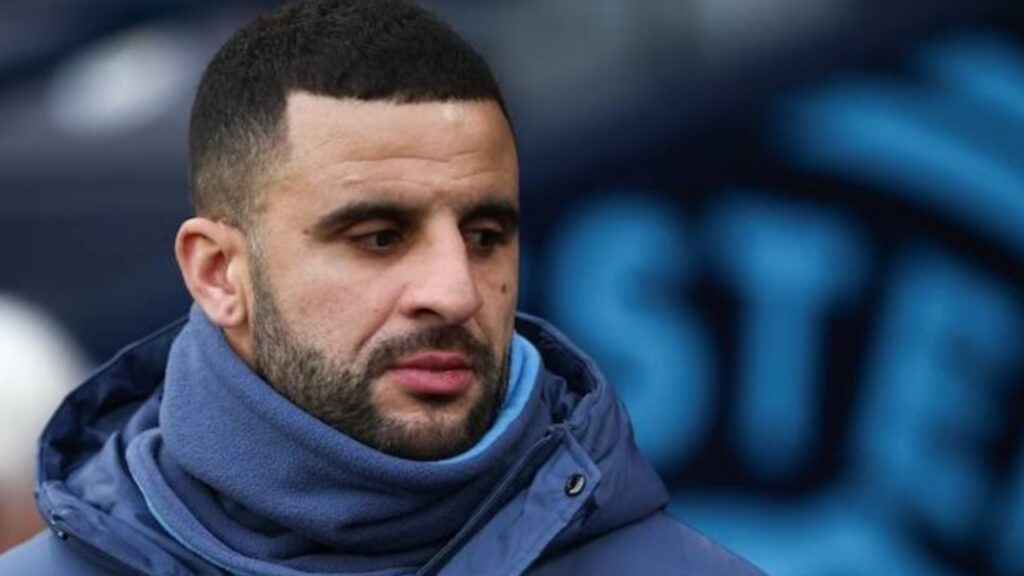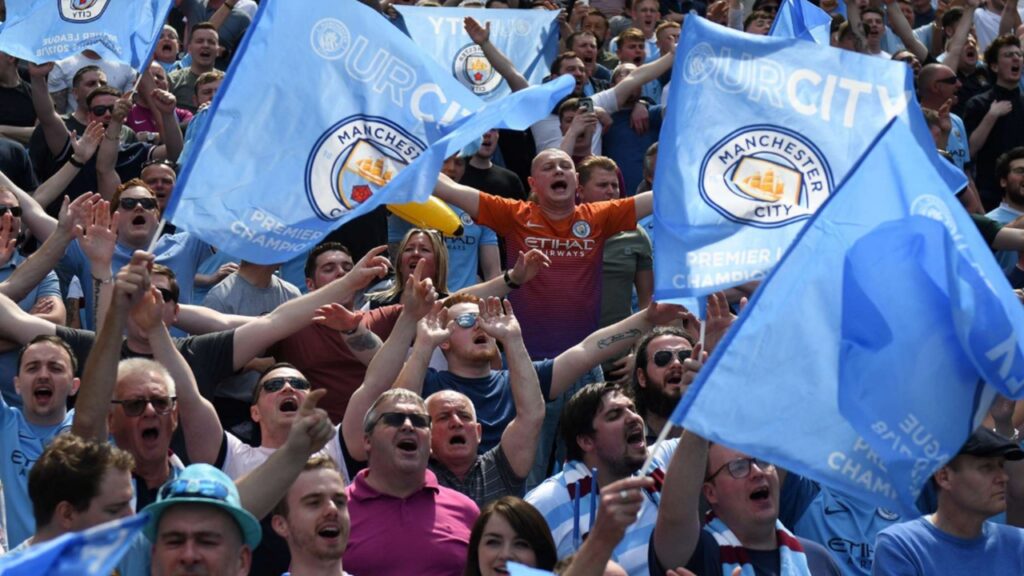

Manchester City supporters have called for Erling Haaland to become the club’s captain after the striker delivered an honest assessment of the team’s disappointing defeat to Aston Villa. The Norwegian forward refused to blame his teammates alone, instead accepting responsibility while highlighting several areas Manchester City must improve.
Erling Haaland: “They [Aston Villa] had two shots, two goals. That’s really clinical, well done. [Nicolas] Jackson was incredible today, an incredible match, so well done to him.
“I think small things we can do better; know when to go, when to keep the ball, when to drop them a bit more, and I also think we can win more duels, fight a bit more. I don’t know, I don’t have the answer, I haven’t seen the game again.
“But there is things we can do better and, again, I can score more goals. So there’s plenty of things we can do better…”
— City Xtra (@City_Xtra) October 24, 2026
Haaland’s reaction has resonated with Cityzens, with many praising his leadership, accountability and fighter mentality. Some supporters believe his comments show why he deserves the captain’s armband, while others have questioned the performances of Ruben Dias, Gianluigi Donnarumma and Marc Guehi.
The reaction followed City’s disappointing loss to Aston Villa, a result that raised further questions about the team’s defensive reliability and ability to respond under pressure. Although Haaland acknowledged Villa’s clinical finishing, he made it clear that Manchester City also needed to take a hard look at themselves.
For many fans, the most important part of his message was not simply what he said about the defeat. It was the fact that he included himself in the criticism rather than shifting all the blame onto his teammates.
Erling Haaland earns praise for taking responsibility
Haaland’s post-match comments struck a chord with Manchester City supporters because the striker refused to hide behind excuses.
Reflecting on Villa’s finishing, he said: “They [Aston Villa] had two shots, two goals. That’s really clinical, well done.”
He also praised Nicolas Jackson for his performance, acknowledging that the opposition had delivered an impressive display. However, Haaland did not stop at congratulating Villa.
The City striker identified several areas where his team needed to improve, including decision-making in possession, knowing when to press and winning more individual duels.
He also admitted that he could have scored more goals.
That final point became particularly significant for supporters. Rather than presenting himself as a player who had done everything possible, Haaland recognised that he had a personal responsibility to improve.
One supporter, Elijah Hundeyin, compared Haaland’s team-first attitude with that of Lionel Messi, writing that “This guy and Messi are just team guys.”
The comparison captured a sentiment shared by many Cityzens. They see Haaland as more than a prolific goalscorer. They see a player willing to put the team’s interests first, even after a difficult result.
Another fan described his comments as a display of “Fighter mentality”.
That response reflects the type of leadership supporters want to see from Manchester City’s senior players. They want honesty, determination and a willingness to accept responsibility when results fall short of expectations.
Manchester City fans want Haaland to become captain
The strongest reaction centred on Haaland’s leadership credentials.
Several supporters argued that his post-match comments demonstrated why he should be considered for the captaincy. For them, leadership is not simply about wearing the armband or being one of the most experienced players in the dressing room.
It is about setting standards, accepting responsibility and speaking honestly when the team struggles.
One supporter, JakCityzen, wrote that they would prefer Haaland as captain rather than Ruben Dias. The comment also criticised Guehi’s performances since joining the club.
Another fan, Dev & MCI, made the message even more direct, urging Haaland to become captain.
Meanwhile, ItsBlue56 described him positively as a vice-captain, reinforcing the belief that the Norwegian already possesses important leadership qualities.
The reaction suggests that some City supporters are reconsidering who should lead the team during difficult moments.
Haaland’s willingness to criticise his own performance while discussing the team’s wider problems has strengthened that argument. Fans want a captain who can demand more from everyone, including himself.
However, the debate is not necessarily a straightforward rejection of Dias. Rather, it highlights the growing expectation that Manchester City’s leadership group must respond more forcefully when performances deteriorate.
A captain’s influence is often judged most clearly after a defeat. In Haaland’s case, supporters believe his words showed the accountability they want to see from the entire squad.
Dias, Donnarumma and Guehi face criticism after Villa loss
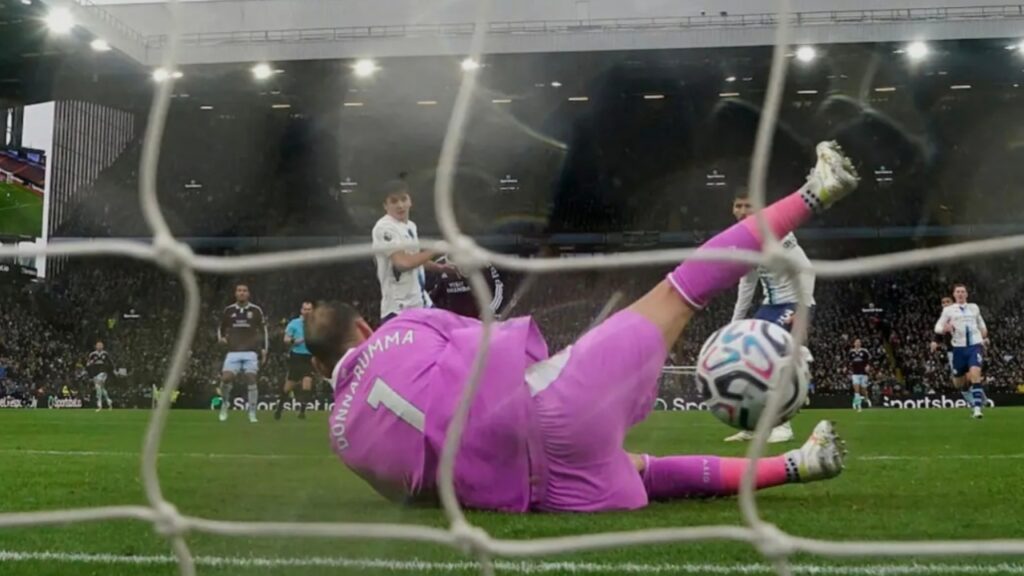
While Haaland received widespread praise, several Manchester City defenders and goalkeeper Gianluigi Donnarumma came under scrutiny following the defeat.
One supporter described the performances of Dias, Donnarumma and Guehi as “Really shocking”, reflecting the frustration surrounding City’s defensive display.
Other reactions focused specifically on the goalkeeper, with some fans questioning whether the coaching staff should reconsider their reliance on him.
These comments underline the concern among supporters that Manchester City cannot consistently compete for major honours without greater defensive reliability.
Haaland’s observation that Villa scored twice from two shots became an important talking point. His words highlighted the opposition’s clinical finishing, but they also encouraged fans to examine City’s defensive organisation and goalkeeping.
Nevertheless, the striker stopped short of publicly singling out individual teammates.
That distinction matters. Although supporters were eager to identify players they believed had underperformed, Haaland chose a more measured approach.
He acknowledged Villa’s effectiveness, identified collective shortcomings and accepted that he personally could have contributed more.
For some fans, that was precisely the point.
They believe a leader should protect teammates publicly while demanding improvement from everyone behind the scenes. Haaland’s comments appeared to strike that balance, even as supporters expressed their disappointment with individual performances.
The goalkeeper debate is likely to continue until City demonstrate greater consistency. However, the reaction also highlights the danger of allowing frustration over one defeat to become a judgment on the entire season.
Manchester City need a response on the pitch, not simply a reshuffling of blame.
‘He’s sending a message’: Haaland’s words carry weight
Another theme emerged clearly from the reactions: supporters believe Haaland was sending a message to the dressing room.
His comments were not an emotional outburst or an attempt to escape responsibility. Instead, he highlighted the small details that can decide matches at the highest level.
Knowing when to advance, when to retain possession and when to drop deeper can determine whether a team controls a game or allows its opponents to exploit spaces.
Winning duels is equally important, particularly when a match becomes physically demanding.
Haaland’s assessment suggested that Manchester City had to improve in these areas rather than relying solely on their technical quality or attacking talent.
Supporters who interpreted his words as a message to the squad appear to believe that the team needs greater urgency and collective accountability.
The striker’s willingness to include himself in the criticism strengthened that interpretation.
He did not suggest that his goalscoring record exempted him from scrutiny. Instead, he admitted that he could have done more.
That approach can be particularly valuable in a dressing room filled with talented players. When the leading goalscorer accepts responsibility, it becomes harder for others to avoid examining their own performances.
For City, the challenge is turning that message into action.
Post-match interviews can demonstrate the right attitude, but they cannot repair defensive mistakes or guarantee better decision-making in the next match. The squad must show that it has understood the criticism when it returns to the pitch.
Fans question Manchester City’s response and tactical decisions
Not every supporter focused exclusively on Haaland’s leadership.
Some reactions raised broader questions about the coaching staff, team selection and the balance of the midfield.
One supporter argued that the team needed Ayyoub Bouaddi in midfield, suggesting that the coach’s selection decisions were preventing City from getting the best balance.
Another simply asked where the coach was, reflecting the frustration surrounding the team’s performance and the need for a clear response from the technical staff.
These reactions show that the Villa defeat has become a starting point for a wider debate about Manchester City’s direction.
Supporters are looking beyond the result itself. They want to understand why the team struggled, whether the current tactical approach is working and what changes might help restore consistency.
Midfield control is an important part of that discussion. When City struggle to win duels or manage transitions, the problems can extend beyond the defenders and goalkeeper.
The midfield must provide protection, control possession and help the team recover quickly when opponents break forward.
Haaland’s comments about knowing when to keep the ball and when to adjust the team’s positioning fit into this wider concern.
However, the available reactions do not establish that one particular selection change would solve every problem. Bouaddi’s potential involvement is part of the debate, but the team needs a collective improvement rather than a single tactical adjustment.
The coaching staff will ultimately be judged on how effectively they address these concerns.
Manchester City cannot afford repeated defensive mistakes
The frustration expressed by City supporters reflects the expectations surrounding a club accustomed to competing for major trophies.
One fan remarked that it did not take much to beat the team, a comment that captured the disappointment after the Villa defeat.
That reaction may be harsh, but it illustrates how quickly confidence can be affected when a team concedes goals without producing the expected response.
Manchester City have the attacking quality to trouble almost any opponent. Haaland’s presence alone gives them a reliable goalscoring threat, while the squad possesses considerable technical ability across the pitch.
However, attacking quality cannot compensate indefinitely for defensive instability.
Conceding from limited opposition opportunities places enormous pressure on the forwards to deliver more goals. It also makes every missed chance and every lost duel more costly.
Haaland recognised this balance in his post-match assessment. He acknowledged the opposition’s efficiency while insisting that City had several areas to improve.
His comments should therefore be viewed as a collective challenge rather than an attempt to isolate one department.
The defenders must improve their organisation. The goalkeeper must deliver greater consistency. The midfield must help control the game, and the forwards must take their opportunities.
Above all, the entire team must show greater resilience when the match becomes difficult.
Can Haaland’s leadership help City recover?
The reaction to Haaland’s comments reveals an important distinction between individual performance and leadership.
A striker can score regularly without necessarily becoming the most influential voice in a dressing room. Haaland’s supporters, however, believe his willingness to accept responsibility makes him a strong candidate to lead Manchester City.
Their calls for him to become captain are based on his attitude as much as his goals.
The comparison with Messi, the praise for his fighter mentality and the repeated demands for the armband all point towards the same conclusion: many Cityzens want leaders who set the standard through their words and actions.
That does not mean changing the captain would automatically solve the team’s problems. Leadership can help establish standards, but tactical discipline, defensive concentration and consistent performances remain essential.
Haaland himself appeared to understand that distinction.
He did not claim to have all the answers. Instead, he acknowledged that he needed to review the match before fully understanding what went wrong.
That measured response was another reason supporters appreciated his comments.
For now, the Norwegian’s message has given Manchester City fans something to rally around. They want the same honesty from the rest of the squad, stronger performances from the defence and a more convincing response from the coaching staff.
The next step is to deliver those improvements on the pitch.
Conclusion
Erling Haaland’s honest reaction to Manchester City’s defeat against Aston Villa has sparked a major discussion among supporters about leadership, accountability and defensive reliability.
While some fans questioned the performances of Ruben Dias, Gianluigi Donnarumma and Marc Guehi, others focused on Haaland’s willingness to accept responsibility and demand more from himself.
The calls for him to become captain reflect a belief that his mentality could help set higher standards across the squad.
However, words alone will not be enough. Manchester City must improve their defensive organisation, win more duels and make better decisions when controlling matches.
Haaland has delivered his message. Now, City supporters will want to see the entire team respond.